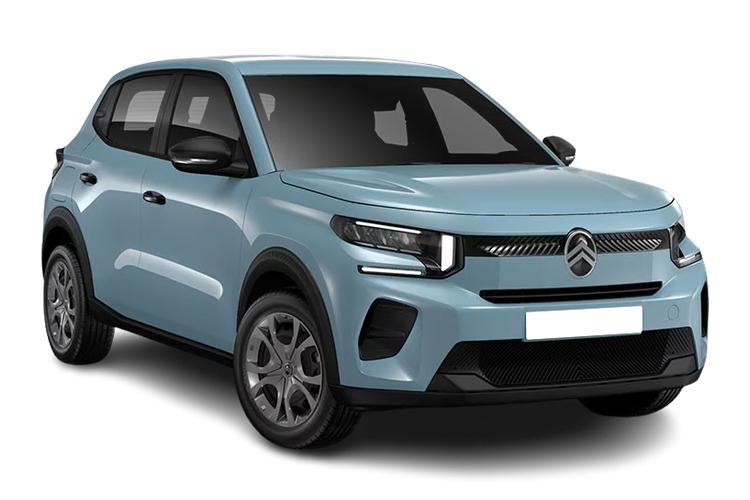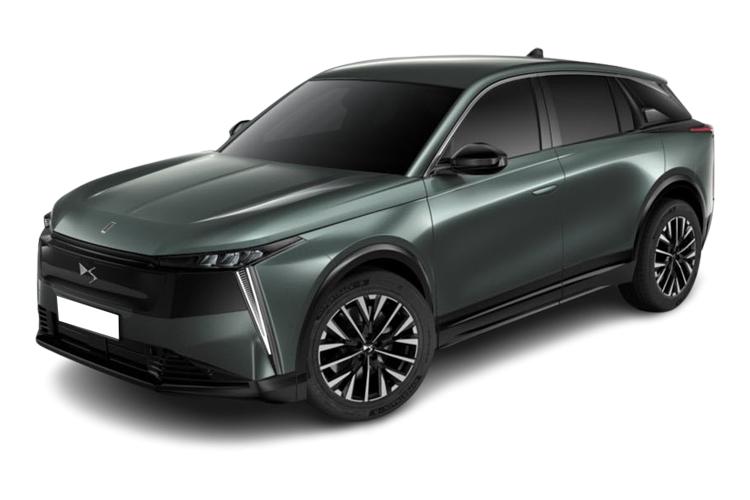
Images are for illustrative purposes only.

150kW Advanced 60kWh 5dr Auto
Need some assistance or advice? Call Us 01903 538835


The AION UT is the electric supermini you probably haven't considered. Should you? Jonathan Crouch takes a look.
In its own way, the AION UT might quietly be the best-value EV supermini out there. It offers a lot of car with a lot of kit to someone wanting a practical electric supermini. That is there more to this car than that?
To stand out these days, a Chinese car manufacturer has to make big claims, a challenge not shirked by the AION brand with this car, their electric UT supermini. This is the second design launched in the UK by this GAC-owned marque and like the first, the larger family hatch-sized Aion V electric model, it claims to 'reset the segment standard'. AION describes this UT as 'China's version of the MINI', referencing their car's small size and up-market aspirations. Of course it'll need to be good because class competition is fierce, particularly after the arrival of new-era 'Urban Electric Family' VW Group models from Volkswagen, Skoda and CUPRA, plus new small EV contenders from the Korean makers and fellow Chinese brand Geely. For the price of mid-spec versions of these kinds of rivals, the UT aims to offer you a modern plusher-feeling package. Let's take a closer look.
Just how much power would you expect in an affordable electric supermini? Probably not as much as 204bhp, but that's what's generated here from the single front-mounted motor on offer. With 210Nm of torque, that zips you to 62mph in 7.3s if you're not worried about decimating the potential 268 mile range available from the 60kWh battery pack, the only one AION offers. If you're in the fiercest of the available drive modes (Sport), you might be able to reach the potential 99mph top speed. The brand says that the European version of this model is dynamically different to the one on sale in overseas markets like Australia, Indonesia and the Philippines. Chassis changes for our market made by the company's European development centre in Milan include tweaks to the springs, dampers and bump stops, along with the revised rear anti-roll bar. Expect quite polished driving experience as a result. Should there be a hot hatch version - the UTi? Perhaps not... As you'd expect from an EV supermini these days, there's a brake regen system with adjustable settings allowing you to reclaim energy whilst braking of coming off-throttle. And of course there's the usual extensive Chinese model portfolio of driving assist features, though you can expect some than to be a bit intrusive.
Like its closest Chinese competitors the Geely EX2 and the MG4 EV, the UT aims to super-size what you can expect from a car of its class. Assuming that the cars you're thinking of as rivals are models like the Renault 5 E-Tech or the Volkswagen ID.Polo, which like most other EV superminis in the class are a bit smaller than this AION. The size - and this UT's quite ambitious price - see it pitched much closer to crossover-style small supermini-based electric cars of this type, like the Ford Puma GEN-E, the Renault 4 E-Tech and the MINI Aceman. To compete with designs like these, AION's Milanese design studio has tried to make the UT stand out, hence headlights designed to look like an owl's eyebrows and minimalist rear styling with square tail lights. The 4.3-metre-long profile is marked by body-coloured D-pillar panels. And there are 17-inch alloy wheels. Inside, AION hopes that up-front you'll find all a bit posher than you might have been expecting at this price point. That's the idea anyway of all the leatherette upholstery, curved soft-touch surfaces and metal-effect trim. The windowsills are moulded to give the impression of stitched leather and the door cards have a geometric finish supposed to mimic carbon fibre. Above the 'floating' centre console is a 14.6-inch centre touchscreen paired with the usual digital instrument cluster. There's loads of standard kit, including lots you wouldn't expect at this price point. Thanks to this design's long wheelbase, the rear seat has a lot more space than you normally get from a supermini EV - and an airy feel thanks to the standard panoramic glass roof. The flat floor means you could even fit in a centre-seated occupant if need be - AION reckons three fully-grown adults could be accommodated, but they'd need to be on pretty friendly terms. Unfortunately though, there's not the option you get on Chinese versions of this model for the front seats to be folded flat to form a bed-style set-up with the rear bench. Out back, there's a generously sized 440-litre boot. There's a variable-height boot floor that can sit flush with the boot lip.
AION has chosen to offer just a single high-spec version of the UT in our market - and that means it can't compete with other segment supermini contenders on base price. The brand is asking around £29,000 for this model, which to give you some perspective is about £4,000 more than a 52kWh Renault 5 E-Tech - though only about £1,000 more than a 52kWh Volkswagen ID.Polo. At least AION's asking figure does get you an awful lot of kit - things you'd find only of pricey top-spec versions of rivals. Like a heated steering wheel, heated powered front seats, a 14.6-inch central touch screen with 'Apple CarPlay' and 'Android Auto' and a 360-degree surround-view camera. Buyers can choose to enhance their UT with an optional high-value Premium Pack to add further higher-class features including a panoramic glass roof with an electric shade, a powered tailgate, a ventilated driver's seat and wireless 'phone charging, all for £1,200. The pack also includes Seine Silver exterior and exclusive interior colour upgrade options. On all UTs, safety's well taken care of. Wide side airbags offer protection for every passenger and a wide portfolio of safety systems monitor the road around you.
Like quite a few other Chinese electric cars, the UT doesn't charge especially quickly - at up to 87kW. Which is why this AION model needs 40 minutes to DC-charge from 10-80%. It's 24 minutes from 30-80%, which would add 214 miles of charge. At home using a single-phase 7.4kW wallbox, a full charge of the 60kWh battery needs 9 hours 45 minutes. You can reduce that to 6 hours 30 minutes if you've an 11kW wallbox with a three-phase supply. To ease potential customer fears about buying into an unknown brand, there's a very comprehensive standard 'Great 8 Promise' package. This provides an eight-year warranty, eight years' servicing, eight years' roadside assistance and an MOT until the car is eight years old. This VIN-locked offering stays linked to the vehicle, ensuring that current and future AION owners benefit from the best aftersales package in the UK. As you'd expect, there's also an eight year / 125,000 mile warranty for the battery. Plus there's next-day parts delivery from a UK warehouse backed by a European parts hub in Rotterdam. You shouldn't have too many worries about quality; AION has topped the JD Power quality charts for years in China.
This is a car with a strong value proposition - but it would be an even stronger value proposition if AION had been able to price it £2,000-£3,000 below its current price point. How many potential UT customers will take the time to discover that for what you get with this model, the Chinese brand's asking figure gives you lot a lot for your money. It'll be interesting to see. Beyond questions of pricing and kit, this is a practically spacious design. But as usual with Oriental models, the front-of-cabin experience makes it very much a Chinese car for people who like Chinese cars. Still, there are a lot more people of that sort these days and AION wants a slice of that market. If it's able to develop the UT proposition just a bit further, it might just get it.
Data provided by CAP-HPI database - Ref# 109183
The AION UT is the electric supermini you probably haven't considered. Should you? Jonathan Crouch takes a look.
In its own way, the AION UT might quietly be the best-value EV supermini out there. It offers a lot of car with a lot of kit to someone wanting a practical electric supermini. That is there more to this car than that?
To stand out these days, a Chinese car manufacturer has to make big claims, a challenge not shirked by the AION brand with this car, their electric UT supermini. This is the second design launched in the UK by this GAC-owned marque and like the first, the larger family hatch-sized Aion V electric model, it claims to 'reset the segment standard'. AION describes this UT as 'China's version of the MINI', referencing their car's small size and up-market aspirations. Of course it'll need to be good because class competition is fierce, particularly after the arrival of new-era 'Urban Electric Family' VW Group models from Volkswagen, Skoda and CUPRA, plus new small EV contenders from the Korean makers and fellow Chinese brand Geely. For the price of mid-spec versions of these kinds of rivals, the UT aims to offer you a modern plusher-feeling package. Let's take a closer look.
Just how much power would you expect in an affordable electric supermini? Probably not as much as 204bhp, but that's what's generated here from the single front-mounted motor on offer. With 210Nm of torque, that zips you to 62mph in 7.3s if you're not worried about decimating the potential 268 mile range available from the 60kWh battery pack, the only one AION offers. If you're in the fiercest of the available drive modes (Sport), you might be able to reach the potential 99mph top speed. The brand says that the European version of this model is dynamically different to the one on sale in overseas markets like Australia, Indonesia and the Philippines. Chassis changes for our market made by the company's European development centre in Milan include tweaks to the springs, dampers and bump stops, along with the revised rear anti-roll bar. Expect quite polished driving experience as a result. Should there be a hot hatch version - the UTi? Perhaps not... As you'd expect from an EV supermini these days, there's a brake regen system with adjustable settings allowing you to reclaim energy whilst braking of coming off-throttle. And of course there's the usual extensive Chinese model portfolio of driving assist features, though you can expect some than to be a bit intrusive.
Like its closest Chinese competitors the Geely EX2 and the MG4 EV, the UT aims to super-size what you can expect from a car of its class. Assuming that the cars you're thinking of as rivals are models like the Renault 5 E-Tech or the Volkswagen ID.Polo, which like most other EV superminis in the class are a bit smaller than this AION. The size - and this UT's quite ambitious price - see it pitched much closer to crossover-style small supermini-based electric cars of this type, like the Ford Puma GEN-E, the Renault 4 E-Tech and the MINI Aceman. To compete with designs like these, AION's Milanese design studio has tried to make the UT stand out, hence headlights designed to look like an owl's eyebrows and minimalist rear styling with square tail lights. The 4.3-metre-long profile is marked by body-coloured D-pillar panels. And there are 17-inch alloy wheels. Inside, AION hopes that up-front you'll find all a bit posher than you might have been expecting at this price point. That's the idea anyway of all the leatherette upholstery, curved soft-touch surfaces and metal-effect trim. The windowsills are moulded to give the impression of stitched leather and the door cards have a geometric finish supposed to mimic carbon fibre. Above the 'floating' centre console is a 14.6-inch centre touchscreen paired with the usual digital instrument cluster. There's loads of standard kit, including lots you wouldn't expect at this price point. Thanks to this design's long wheelbase, the rear seat has a lot more space than you normally get from a supermini EV - and an airy feel thanks to the standard panoramic glass roof. The flat floor means you could even fit in a centre-seated occupant if need be - AION reckons three fully-grown adults could be accommodated, but they'd need to be on pretty friendly terms. Unfortunately though, there's not the option you get on Chinese versions of this model for the front seats to be folded flat to form a bed-style set-up with the rear bench. Out back, there's a generously sized 440-litre boot. There's a variable-height boot floor that can sit flush with the boot lip.
AION has chosen to offer just a single high-spec version of the UT in our market - and that means it can't compete with other segment supermini contenders on base price. The brand is asking around £29,000 for this model, which to give you some perspective is about £4,000 more than a 52kWh Renault 5 E-Tech - though only about £1,000 more than a 52kWh Volkswagen ID.Polo. At least AION's asking figure does get you an awful lot of kit - things you'd find only of pricey top-spec versions of rivals. Like a heated steering wheel, heated powered front seats, a 14.6-inch central touch screen with 'Apple CarPlay' and 'Android Auto' and a 360-degree surround-view camera. Buyers can choose to enhance their UT with an optional high-value Premium Pack to add further higher-class features including a panoramic glass roof with an electric shade, a powered tailgate, a ventilated driver's seat and wireless 'phone charging, all for £1,200. The pack also includes Seine Silver exterior and exclusive interior colour upgrade options. On all UTs, safety's well taken care of. Wide side airbags offer protection for every passenger and a wide portfolio of safety systems monitor the road around you.
Like quite a few other Chinese electric cars, the UT doesn't charge especially quickly - at up to 87kW. Which is why this AION model needs 40 minutes to DC-charge from 10-80%. It's 24 minutes from 30-80%, which would add 214 miles of charge. At home using a single-phase 7.4kW wallbox, a full charge of the 60kWh battery needs 9 hours 45 minutes. You can reduce that to 6 hours 30 minutes if you've an 11kW wallbox with a three-phase supply. To ease potential customer fears about buying into an unknown brand, there's a very comprehensive standard 'Great 8 Promise' package. This provides an eight-year warranty, eight years' servicing, eight years' roadside assistance and an MOT until the car is eight years old. This VIN-locked offering stays linked to the vehicle, ensuring that current and future AION owners benefit from the best aftersales package in the UK. As you'd expect, there's also an eight year / 125,000 mile warranty for the battery. Plus there's next-day parts delivery from a UK warehouse backed by a European parts hub in Rotterdam. You shouldn't have too many worries about quality; AION has topped the JD Power quality charts for years in China.
This is a car with a strong value proposition - but it would be an even stronger value proposition if AION had been able to price it £2,000-£3,000 below its current price point. How many potential UT customers will take the time to discover that for what you get with this model, the Chinese brand's asking figure gives you lot a lot for your money. It'll be interesting to see. Beyond questions of pricing and kit, this is a practically spacious design. But as usual with Oriental models, the front-of-cabin experience makes it very much a Chinese car for people who like Chinese cars. Still, there are a lot more people of that sort these days and AION wants a slice of that market. If it's able to develop the UT proposition just a bit further, it might just get it.
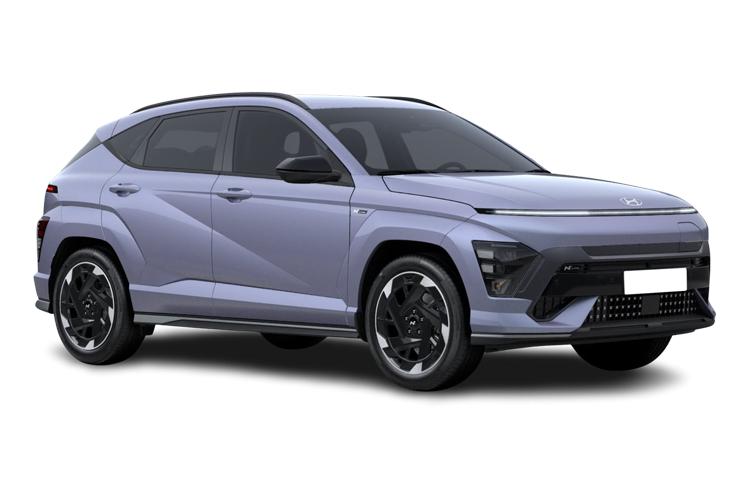
160kW Advance 65kWh 5dr Auto

POA
POA
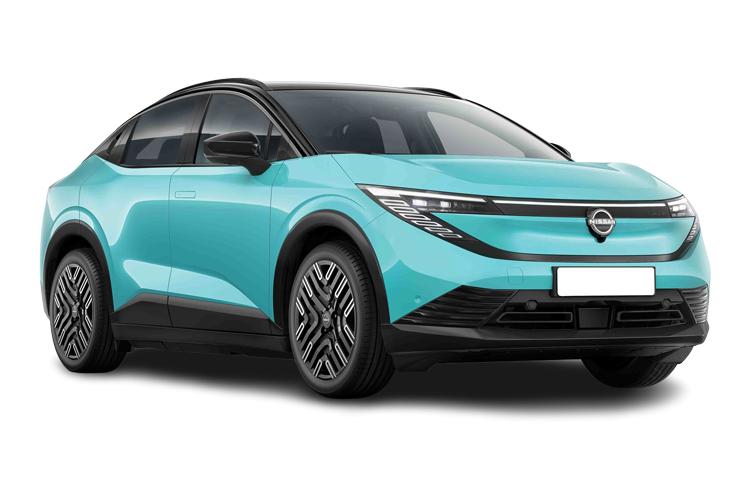
160kW Engage 75kWh 5dr Auto
POA
Business Lease Price per month (excl VAT) £272.92