
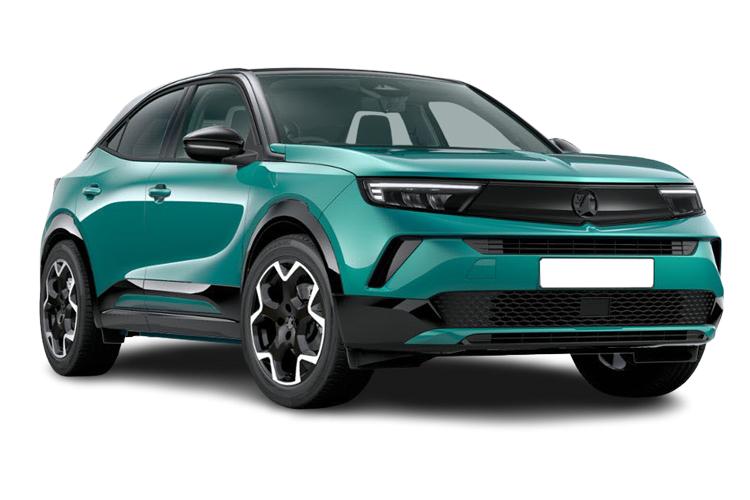
Images are for illustrative purposes only.
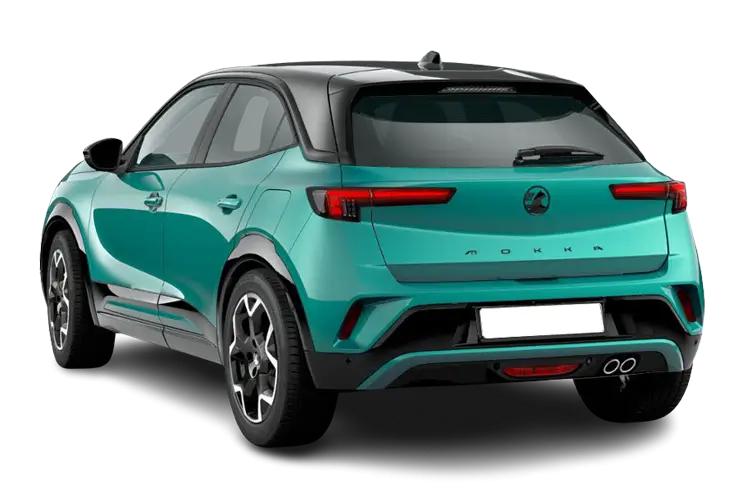
1.2 Turbo Hybrid 136 GS 5dr e-DCT6
Need some assistance or advice? Call Us 01903 538835


Vauxhall's improved Mokka makes most sense with Hybrid power, thinks Jonathan Crouch.
If you're undecided between old tech combustion power or a full-EV powertrain for your Vauxhall Mokka, this improved 48V Hybrid version could be an ideal compromise. It's more usable and much cheaper than the electric version, but still electrified enough for the current zeitgeist.
As EV orders stall, there's an increasing impetus on mainstream brands to step up their availability of Hybrid technology; proper self-charging Hybrid technology where the battery can actually occasionally power the car on its own, rather than the more ineffectual mild hybrid sort. Given that market outlook, the Stellantis Group conglomerate must be grateful it has its 48V Hybrid powertrain: it would actually be easier to list the models this isn't now fitted to across the group. Here's another, Vauxhall's Mokka Hybrid, here usefully improved. You can't plug it in, but if all you need the car for is suburban journeys, it'll still use its battery for up to half the time. Do you really need to switch to an EV just yet? Cars like this really pose that question.
Two versions of this 48V Hybrid powertrain are in use across the Vauxhall range; this Mokka uses the more powerful 145hp variant of this 1.2-litre three cylinder turbocharged petrol unit. It produces peak power of 145hp at 5,500rpm and maximum torque of 230Nm is available at 1,750rpm. The engine is coupled to an electrified six-speed dual clutch automatic transmission (e-DCT6) designed specifically for use in Hybrid powertrains. A permanent magnet synchronous electric motor is integrated into the gearbox and produces peak power of 21kW (28hp) and maximum torque of 55Nm. In everyday driving over a mixture of city streets, country roads and motorways, the petrol engine and electric motor operate together or separately to optimise energy consumption and performance. This powertrain is particularly effective in city traffic - the electric motor allowing the Mokka Hybrid to be driven short distances (up to just under a mile) on electric power alone under low torque requirements (for instance when manoeuvring or at under 18mph in urban traffic). The e-motor also assists the petrol engine by delivering extra torque under acceleration, such as when launching from a standstill. This benefits driving dynamics and CO2 savings and contributes to a 0-62mph time of 9.1 seconds - 0.1 seconds faster than the equivalent petrol model. During deceleration, the petrol engine stops and the e-motor acts as a generator to recharge the hybrid system's 48V battery. The battery also stores the energy recuperated by the regenerative braking system. The more affordable 110PS variant of this Hybrid unit that Vauxhall offers in the Corsa supermini isn't available in this SUV.
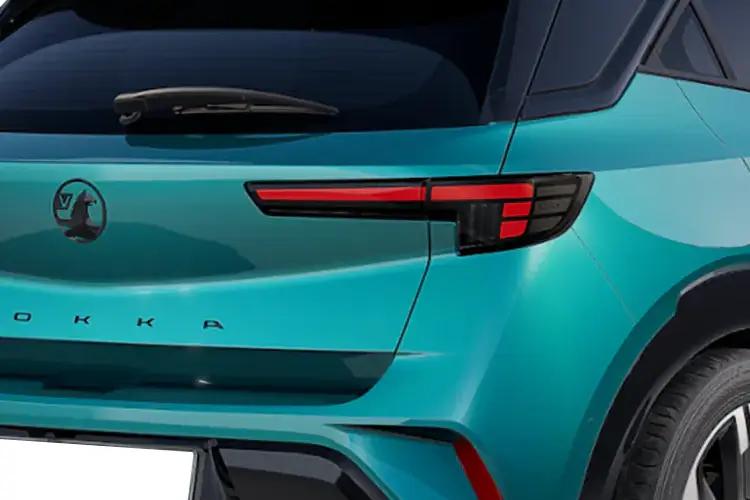
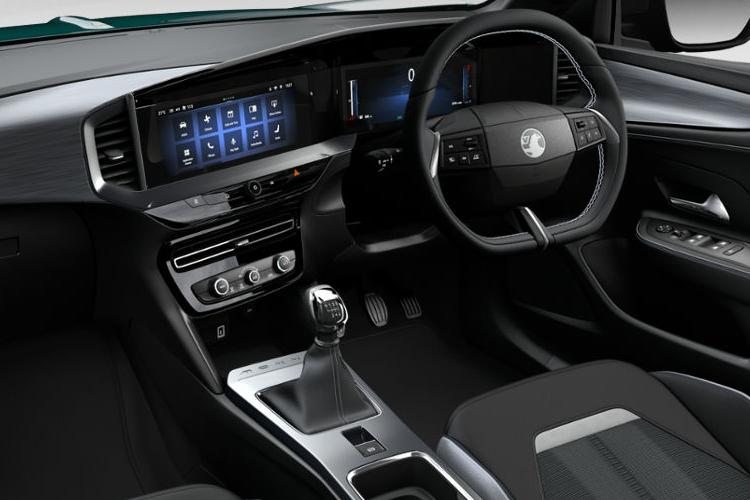
Apart from the badging, there aren't any significant visual differences with this Hybrid Mokka. This updated version brings us a cleaner, more appealing take on the second generation Mokka, but you might need a long stare and a quick reference to the old car to realise just why. The main changes are at the front, where a new cut line below the blacked-out 'Vizor' grille has been added. The LED headlamps and tail lights also gain a more distinctive three 'lighting block' signature; plus chrome has been dispensed with and there's a redesigned front bumper. A black design strip now runs from the A-pillars above the side windows; with another running across the lower doors surfaces to the rear. There are bigger changes inside, where the driver now gets a larger 10-inch digital instrument display. Complementing a central 10-inch infotainment screen that includes a number of functions previously controlled by dashboard buttons. There are also clearer 'widget'-style menus, better 'Hey Vauxhall' voice recognition with ChatGPT functionality and wireless 'Apple CarPlay' and 'Android Auto' smartphone-mirroring. Obviously, it's all the same as before further back. As before, there's no useful sliding bench mechanism to improve leg room for adults. That would be OK on a short to medium-length journey, but you wouldn't really want to be in the back for much longer than that. Boot space remains set at 350-litres - which is a huge 110-litres less than the entry-level Vauxhall SUV model, the Frontera. If you were to opt for a Mokka Electric, that figure would fall to 310-litres.
Prices for this Hybrid e-DCT6 model start at just over £29,000 for the mainstream 'YES' level of trim. You'll need around £30,000 for the mid-range 'GS' and about £32,000 for the top 'Ultimate' variant. If you're comparing against an equivalent conventional 1.2-litre 130PS auto variant, there's a price premium of only around £1,000 to get the Hybrid. And this Hybrid will save you around £1,900 over the grant-deducted price of the Mokka Electric model. All versions come pretty well equipped. Even base 'YES' trim gets you front and rear parking sensors, a 180-degree reversing camera, ambient lighting, keyless entry and start and power-folding heated door mirrors. Comfort features include electronic climate control, heated front seats, and a heated vegan leather steering wheel. There's also a 10-inch infotainment system with wireless Apple CarPlay & Android Auto, a 10-inch digital instrument cluster, Intelli-LED headlights, and LED taillights. Safety kit includes Lane departure warning with Lane keep assist, extended traffic sign recognition, driver drowsiness alert, forward collision alert at low speeds, blind spot detection and enhanced automatic emergency braking with pedestrian detection. Mid-range 'GS' trim adds larger 18-inch wheels, sportier looks, 'Black Focus' upholstery and a 180-degree rear-view camera. Top 'Ultimate' spec gets into 'IntelliLux' LED matrix headlights, alcantara upholstery, adaptive cruise control and a driver's seat massage function.
Are the efficiency improvements promised by this petrol/electric derivative large enough to justify its price premium? Well the technology sounds quite promising, incorporating a variable geometry turbocharger, variable valve timing and a belt-driven starter that combines with the e-motor to start the petrol engine from cold - and also restarts the engine quickly and seamlessly while driving. So what's the end result? Well the Mokka Hybrid manages up to 58.9mpg on the combined cycle and up to 109g/km of CO2 - a useful improvement over the conventional engine, very close to the stats of the class-leading Toyota Yaris Cross Hybrid and virtually the same as the figures delivered by the Vauxhall Corsa Hybrid supermini we reviewed recently. For some reason though, those figures are slightly down on a rival Peugeot 2008 with exactly the same engine. These improved returns are enough to allow this Mokka Hybrid 145 e-DCT6 model to usefully reduce the normal version's BiK tax rating down to 26% - the ordinary 1.2 Turbo models are usually rated at between 30-32% depending on variant. But of course that's nothing like as good a tax return as you'd get from the Mokka Electric model Vauxhall really wants to sell you, which like all EVs, is BiK-rated at just 2% - until 2025 anyway. Insurance groups for this Hybrid vary from 22E to 23E.
Choosing a fashionable little SUV is a very personal thing, but if you happen to be sold on the look and feel of a Mokka, then we'd recommend you try that car in this Hybrid form first. There's a vast price saving over the EV version and you do without all that full-battery model's hassles of range and charging. While still being able to conduct much of your urban journeying in electrified silence. We can't help thinking though, that if you're set on a Vauxhall of this size, an Astra Sports Tourer or Frontera with exactly the same engine might be a more a versatile solution for your needs. But if a Mokka it has to be, then this one makes a lot of sense.
Data provided by CAP-HPI database - Ref# 105774
Vauxhall's improved Mokka makes most sense with Hybrid power, thinks Jonathan Crouch.
If you're undecided between old tech combustion power or a full-EV powertrain for your Vauxhall Mokka, this improved 48V Hybrid version could be an ideal compromise. It's more usable and much cheaper than the electric version, but still electrified enough for the current zeitgeist.
As EV orders stall, there's an increasing impetus on mainstream brands to step up their availability of Hybrid technology; proper self-charging Hybrid technology where the battery can actually occasionally power the car on its own, rather than the more ineffectual mild hybrid sort. Given that market outlook, the Stellantis Group conglomerate must be grateful it has its 48V Hybrid powertrain: it would actually be easier to list the models this isn't now fitted to across the group. Here's another, Vauxhall's Mokka Hybrid, here usefully improved. You can't plug it in, but if all you need the car for is suburban journeys, it'll still use its battery for up to half the time. Do you really need to switch to an EV just yet? Cars like this really pose that question.
Two versions of this 48V Hybrid powertrain are in use across the Vauxhall range; this Mokka uses the more powerful 145hp variant of this 1.2-litre three cylinder turbocharged petrol unit. It produces peak power of 145hp at 5,500rpm and maximum torque of 230Nm is available at 1,750rpm. The engine is coupled to an electrified six-speed dual clutch automatic transmission (e-DCT6) designed specifically for use in Hybrid powertrains. A permanent magnet synchronous electric motor is integrated into the gearbox and produces peak power of 21kW (28hp) and maximum torque of 55Nm. In everyday driving over a mixture of city streets, country roads and motorways, the petrol engine and electric motor operate together or separately to optimise energy consumption and performance. This powertrain is particularly effective in city traffic - the electric motor allowing the Mokka Hybrid to be driven short distances (up to just under a mile) on electric power alone under low torque requirements (for instance when manoeuvring or at under 18mph in urban traffic). The e-motor also assists the petrol engine by delivering extra torque under acceleration, such as when launching from a standstill. This benefits driving dynamics and CO2 savings and contributes to a 0-62mph time of 9.1 seconds - 0.1 seconds faster than the equivalent petrol model. During deceleration, the petrol engine stops and the e-motor acts as a generator to recharge the hybrid system's 48V battery. The battery also stores the energy recuperated by the regenerative braking system. The more affordable 110PS variant of this Hybrid unit that Vauxhall offers in the Corsa supermini isn't available in this SUV.
Apart from the badging, there aren't any significant visual differences with this Hybrid Mokka. This updated version brings us a cleaner, more appealing take on the second generation Mokka, but you might need a long stare and a quick reference to the old car to realise just why. The main changes are at the front, where a new cut line below the blacked-out 'Vizor' grille has been added. The LED headlamps and tail lights also gain a more distinctive three 'lighting block' signature; plus chrome has been dispensed with and there's a redesigned front bumper. A black design strip now runs from the A-pillars above the side windows; with another running across the lower doors surfaces to the rear. There are bigger changes inside, where the driver now gets a larger 10-inch digital instrument display. Complementing a central 10-inch infotainment screen that includes a number of functions previously controlled by dashboard buttons. There are also clearer 'widget'-style menus, better 'Hey Vauxhall' voice recognition with ChatGPT functionality and wireless 'Apple CarPlay' and 'Android Auto' smartphone-mirroring. Obviously, it's all the same as before further back. As before, there's no useful sliding bench mechanism to improve leg room for adults. That would be OK on a short to medium-length journey, but you wouldn't really want to be in the back for much longer than that. Boot space remains set at 350-litres - which is a huge 110-litres less than the entry-level Vauxhall SUV model, the Frontera. If you were to opt for a Mokka Electric, that figure would fall to 310-litres.
Prices for this Hybrid e-DCT6 model start at just over £29,000 for the mainstream 'YES' level of trim. You'll need around £30,000 for the mid-range 'GS' and about £32,000 for the top 'Ultimate' variant. If you're comparing against an equivalent conventional 1.2-litre 130PS auto variant, there's a price premium of only around £1,000 to get the Hybrid. And this Hybrid will save you around £1,900 over the grant-deducted price of the Mokka Electric model. All versions come pretty well equipped. Even base 'YES' trim gets you front and rear parking sensors, a 180-degree reversing camera, ambient lighting, keyless entry and start and power-folding heated door mirrors. Comfort features include electronic climate control, heated front seats, and a heated vegan leather steering wheel. There's also a 10-inch infotainment system with wireless Apple CarPlay & Android Auto, a 10-inch digital instrument cluster, Intelli-LED headlights, and LED taillights. Safety kit includes Lane departure warning with Lane keep assist, extended traffic sign recognition, driver drowsiness alert, forward collision alert at low speeds, blind spot detection and enhanced automatic emergency braking with pedestrian detection. Mid-range 'GS' trim adds larger 18-inch wheels, sportier looks, 'Black Focus' upholstery and a 180-degree rear-view camera. Top 'Ultimate' spec gets into 'IntelliLux' LED matrix headlights, alcantara upholstery, adaptive cruise control and a driver's seat massage function.
Are the efficiency improvements promised by this petrol/electric derivative large enough to justify its price premium? Well the technology sounds quite promising, incorporating a variable geometry turbocharger, variable valve timing and a belt-driven starter that combines with the e-motor to start the petrol engine from cold - and also restarts the engine quickly and seamlessly while driving. So what's the end result? Well the Mokka Hybrid manages up to 58.9mpg on the combined cycle and up to 109g/km of CO2 - a useful improvement over the conventional engine, very close to the stats of the class-leading Toyota Yaris Cross Hybrid and virtually the same as the figures delivered by the Vauxhall Corsa Hybrid supermini we reviewed recently. For some reason though, those figures are slightly down on a rival Peugeot 2008 with exactly the same engine. These improved returns are enough to allow this Mokka Hybrid 145 e-DCT6 model to usefully reduce the normal version's BiK tax rating down to 26% - the ordinary 1.2 Turbo models are usually rated at between 30-32% depending on variant. But of course that's nothing like as good a tax return as you'd get from the Mokka Electric model Vauxhall really wants to sell you, which like all EVs, is BiK-rated at just 2% - until 2025 anyway. Insurance groups for this Hybrid vary from 22E to 23E.
Choosing a fashionable little SUV is a very personal thing, but if you happen to be sold on the look and feel of a Mokka, then we'd recommend you try that car in this Hybrid form first. There's a vast price saving over the EV version and you do without all that full-battery model's hassles of range and charging. While still being able to conduct much of your urban journeying in electrified silence. We can't help thinking though, that if you're set on a Vauxhall of this size, an Astra Sports Tourer or Frontera with exactly the same engine might be a more a versatile solution for your needs. But if a Mokka it has to be, then this one makes a lot of sense.
