
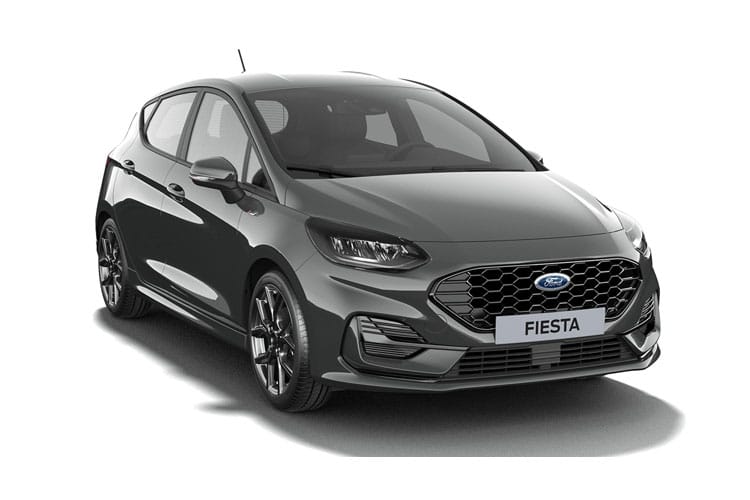
Images are for illustrative purposes only.
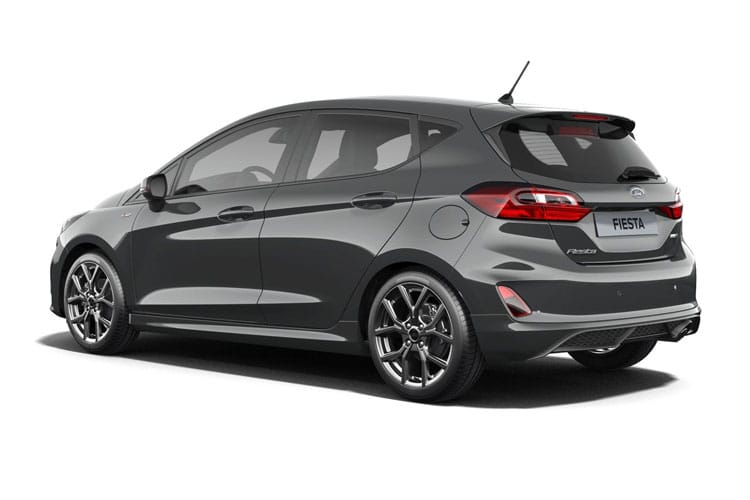
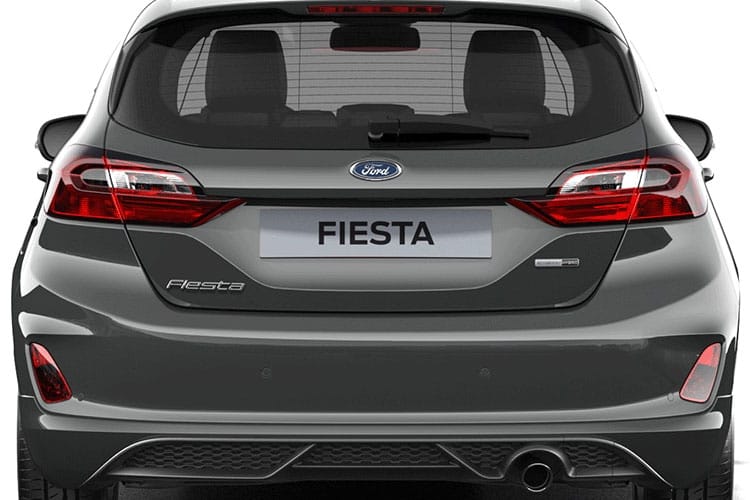
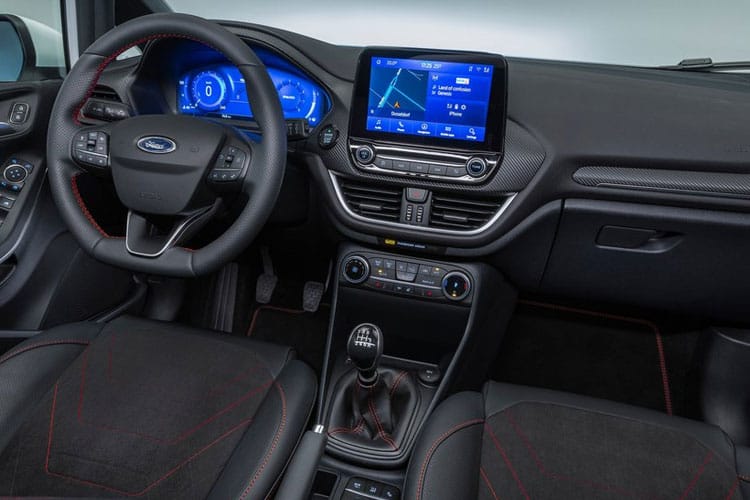

1.5 TDCi 85 Sport Van
Need some assistance or advice? Call Us 01903 538835


By Jonathan Crouch
In its lifetime, Ford's Fiesta van was not only the industry's smallest LCV but also remained the most enjoyable one to drive - especially in this post-2018-era seventh generation form. If you've an urban-based business prioritising efficiency and manoeuvrability over load capacity, it might be just up your street.
3dr Van (Petrol - 1.1, 1.0 EcoBoost / [Diesel - 1.5 TDCi]
Size isn't everything when it comes to vans. In fact, for a certain kind of customer, small is beautiful - as will be the case when it comes to an LCV if, for instance, your business only delivers very small items in congested urban areas. Ford produced its Fiesta Van to cater for this need from 1976 and in 2014, widened its offering in the city van sector to also include the Fiesta-based Transit Courier van, for those wanting the same small roadway footprint but a slightly larger 'hi-cube'-style load capacity. But small business like florists and couriers often don't need much space in the back and for them, the older approach to small van design - that of simply taking a supermini and doing little more than removing the rear seats and blanking out the rear windows - works just fine. All the main LCV brands used to populate this part of the van market, either with supermini-derived vans or hi-cube-style ones. By 2018 though, things were very different. In fact, by the time of the launch of this seventh generation Fiesta Van in mid-2018, the only brand still competing with Ford in the city van segment was Fiat - and their Fiorino hi-cube van was in its last run-out phase. Every other LCV manufacturer of the period was trying to sell you an entry-level version of a family hatch-based model from the next class up - something like Ford's own Transit Connect model. And that might not really be what you actually need. Which is why we still think there might be a place in commercial hearts for this Fiesta Van, which sold on until the end of 2022, the only straightforward supermini-derived LCV left on the market in the 2018-2022 period. Believe or not, the bodywork of this much improved seventh generation was completely new; so was the suspension - and as a result, the driving dynamics were even better than ever. There was a brand new interior fashioned with much higher quality. And buyers benefitted from a fresh era of media connectivity and camera-driven safety technology. As before, there was a choice of either a standard model or a more dynamic-looking Sport Van' version. And inside the three-door body, there was a load compartment capable of carrying approximately 1.0 cubic metre of cargo with a load length of almost 1.3 metres and gross payload of around 500kg. Which might be all your business really requires. This MK7 Fiesta van was updated in early 2022, then sold until Ford announced in mid-2022 that it would no longer produce the three-door Fiesta body shape. As a result, the Fiesta van left the price lists in Autumn 2022.
At first glance, you might think the design of this seventh generation Fiesta Van to represent a pretty modest evolution over its predecessor. Get out the tape measure though and it's a different story, this little LCV being 70mm longer, 13mm wider and 20mm lower than before, plus virtually every constituent part of this model is different. As before, there are two quite distinct variants from which to choose. The smaller engines are reserved for the standard Fiesta Van, while the larger ones come fitted to the smart 'Sport Van' version. Choose this more dynamic derivative and you get a special body kit that includes lower side skirts, plus there are larger wheels too. At the wheel, there are flush, seamless surfaces, soft-touch plastic coatings and neat splashes of chrome, plus it all seems to have been very well screwed together by the factory in Cologne. On the Sport Van variant, it's particularly nice. 'Can this really be a van?', is your first thought when getting behind the thick, leather-stitched flat-bottomed steering wheel that feels like the tiller you'd get on an 'M Sport'-trimmed BMW. It's complemented by low-set sports seats, an aluminium gearshift knob, a dark woven headliner and stainless steel pedals. Owner-drivers will love it. Other than all this tinsel, the first thing you'll probably notice in this MK7 model Fiesta LCV is the infotainment system that sprouts in free-standing form from the top of the centre console. As standard, Sport Van variant buyers get the largest available screen size - 8-inches - and original customers for the base Fiesta Van model could upgrade to this too from that version's rather limited 4.2-inch monitor. This Fiesta Van model offers 0.96cuft of load volume which, somewhat counter-intuitively, is actually slightly less than you'd get in an ordinary three-door Fiesta supermini with the rear seats folded. The maximum useable load length of 1,283mm is slightly less than the previous model offered, but the load box height (923mm) is significantly better in MK7 form. The load box width dimension (1,281mm) is pretty much the same as before - there's 984mm between the wheel arches. What else? Gross Vehicle Weight? You're looking at 1,635kgs for a diesel model. Payloads? These are highest in the standard lower-powered standard Fiesta Van models; the 1.1 Ti-VCT petrol version can take up to 528kgs, while the TDCi 85PS diesel derivative can take up to 530kgs. With the Sport Van, you're looking at up to 508kgs for the EcoBoost petrol model, or up to 511kgs for the TDCi 120PS variant.
Please contact us for an exact up-to-date valuation.
As usual with an urban van, look for any dents, dings and scratches to the panelwork. And ensure that the clutch engages smoothly and that the car goes into gear easily. The 1.5-litre diesel engine is fitted with a diesel particulate filter, but this may be clogged up if the previous owner hasn't completed too many highway journeys. Check that the ride is totally level and that the van's nose isn't sagging at one corner. If it is, then one of the front springs may have snapped. With any used van, you should of course examine the vehicle's paperwork carefully and the service history in particular.
(approx based on a 2018 Fiesta Van 1.0 EcoBoost - Ex Vat) An oil filter is in the £7-£9 bracket. An air filter costs around £11. A pollen filter costs around £9-£23. A rear outer lamp costs around £60. A wiper blade is in the £3-£14 bracket. A rear brake discs cost in the £15 bracket. A front brake pad is in the £16-£40 brackets; rears are in the £16-£27 bracket. A radiator is around £180.
All Fiesta van models handle vastly better than you'd expect any LCV to be able to do. With this seventh generation model, things were improved in this regard by a 15% stiffening of the body and a widening of the front and rear tracks. The vehicle's light weight and low-set driving position also give a feeling of sportiness, plus there's plenty of feedback through the improved electric steering rack. Upgrade yourself from a standard Fiesta Van model to the Sport Van variant and you get lowered sports suspension, rear disc brakes and larger wheels that can be anything between 16 to 18-inches in size, depending on the spec of the van you choose. Engine-wise, standard Fiesta Van models offered a choice of two 85PS units, a 1.1-litre Ti-VCT three cylinder petrol powerplant and a 1.5-litre TDCi four cylinder diesel. Go for the Sport Van variant and you get quite a lot more power. For petrol people, there's the brand's familiar little 1.0T EcoBoost three cylinder turbo unit, offered here in a 125PS state of tune. The alternative is the high-output 120PS version of the 1.5 TDCi diesel, which we've found to be one of the more refined units of its kind. With 16-inch wheels, it manages 67.3mpg on the combined cycle and 107g/km of CO2 (NEDC figures).
We thought it rather clever of Ford to have stayed in the small city van segment at a time (2018-2022) when most competitors were leaving it. If you've an urban-based business and all it actually delivers is very small items - say, urgent envelopes or crucial little software parts - then you're probably looking here at the perfect LCV for your needs. Of course, you won't be buying it because it's the world's best handling van. But if you happen to be an owner-driver who enjoys life at the wheel, that's a very nice bonus. Either way, you'll like the fact that all the style that marks out the Fiesta car has been transferred over intact. In short, this is a city van perfect for its intended remit. Imagining your company logo on the doors? Then you'll know what to do....
Data provided by CAP-HPI database - Ref# 45006
By Jonathan Crouch
In its lifetime, Ford's Fiesta van was not only the industry's smallest LCV but also remained the most enjoyable one to drive - especially in this post-2018-era seventh generation form. If you've an urban-based business prioritising efficiency and manoeuvrability over load capacity, it might be just up your street.
3dr Van (Petrol - 1.1, 1.0 EcoBoost / [Diesel - 1.5 TDCi]
Size isn't everything when it comes to vans. In fact, for a certain kind of customer, small is beautiful - as will be the case when it comes to an LCV if, for instance, your business only delivers very small items in congested urban areas. Ford produced its Fiesta Van to cater for this need from 1976 and in 2014, widened its offering in the city van sector to also include the Fiesta-based Transit Courier van, for those wanting the same small roadway footprint but a slightly larger 'hi-cube'-style load capacity. But small business like florists and couriers often don't need much space in the back and for them, the older approach to small van design - that of simply taking a supermini and doing little more than removing the rear seats and blanking out the rear windows - works just fine. All the main LCV brands used to populate this part of the van market, either with supermini-derived vans or hi-cube-style ones. By 2018 though, things were very different. In fact, by the time of the launch of this seventh generation Fiesta Van in mid-2018, the only brand still competing with Ford in the city van segment was Fiat - and their Fiorino hi-cube van was in its last run-out phase. Every other LCV manufacturer of the period was trying to sell you an entry-level version of a family hatch-based model from the next class up - something like Ford's own Transit Connect model. And that might not really be what you actually need. Which is why we still think there might be a place in commercial hearts for this Fiesta Van, which sold on until the end of 2022, the only straightforward supermini-derived LCV left on the market in the 2018-2022 period. Believe or not, the bodywork of this much improved seventh generation was completely new; so was the suspension - and as a result, the driving dynamics were even better than ever. There was a brand new interior fashioned with much higher quality. And buyers benefitted from a fresh era of media connectivity and camera-driven safety technology. As before, there was a choice of either a standard model or a more dynamic-looking Sport Van' version. And inside the three-door body, there was a load compartment capable of carrying approximately 1.0 cubic metre of cargo with a load length of almost 1.3 metres and gross payload of around 500kg. Which might be all your business really requires. This MK7 Fiesta van was updated in early 2022, then sold until Ford announced in mid-2022 that it would no longer produce the three-door Fiesta body shape. As a result, the Fiesta van left the price lists in Autumn 2022.
At first glance, you might think the design of this seventh generation Fiesta Van to represent a pretty modest evolution over its predecessor. Get out the tape measure though and it's a different story, this little LCV being 70mm longer, 13mm wider and 20mm lower than before, plus virtually every constituent part of this model is different. As before, there are two quite distinct variants from which to choose. The smaller engines are reserved for the standard Fiesta Van, while the larger ones come fitted to the smart 'Sport Van' version. Choose this more dynamic derivative and you get a special body kit that includes lower side skirts, plus there are larger wheels too. At the wheel, there are flush, seamless surfaces, soft-touch plastic coatings and neat splashes of chrome, plus it all seems to have been very well screwed together by the factory in Cologne. On the Sport Van variant, it's particularly nice. 'Can this really be a van?', is your first thought when getting behind the thick, leather-stitched flat-bottomed steering wheel that feels like the tiller you'd get on an 'M Sport'-trimmed BMW. It's complemented by low-set sports seats, an aluminium gearshift knob, a dark woven headliner and stainless steel pedals. Owner-drivers will love it. Other than all this tinsel, the first thing you'll probably notice in this MK7 model Fiesta LCV is the infotainment system that sprouts in free-standing form from the top of the centre console. As standard, Sport Van variant buyers get the largest available screen size - 8-inches - and original customers for the base Fiesta Van model could upgrade to this too from that version's rather limited 4.2-inch monitor. This Fiesta Van model offers 0.96cuft of load volume which, somewhat counter-intuitively, is actually slightly less than you'd get in an ordinary three-door Fiesta supermini with the rear seats folded. The maximum useable load length of 1,283mm is slightly less than the previous model offered, but the load box height (923mm) is significantly better in MK7 form. The load box width dimension (1,281mm) is pretty much the same as before - there's 984mm between the wheel arches. What else? Gross Vehicle Weight? You're looking at 1,635kgs for a diesel model. Payloads? These are highest in the standard lower-powered standard Fiesta Van models; the 1.1 Ti-VCT petrol version can take up to 528kgs, while the TDCi 85PS diesel derivative can take up to 530kgs. With the Sport Van, you're looking at up to 508kgs for the EcoBoost petrol model, or up to 511kgs for the TDCi 120PS variant.
Please contact us for an exact up-to-date valuation.
As usual with an urban van, look for any dents, dings and scratches to the panelwork. And ensure that the clutch engages smoothly and that the car goes into gear easily. The 1.5-litre diesel engine is fitted with a diesel particulate filter, but this may be clogged up if the previous owner hasn't completed too many highway journeys. Check that the ride is totally level and that the van's nose isn't sagging at one corner. If it is, then one of the front springs may have snapped. With any used van, you should of course examine the vehicle's paperwork carefully and the service history in particular.
(approx based on a 2018 Fiesta Van 1.0 EcoBoost - Ex Vat) An oil filter is in the £7-£9 bracket. An air filter costs around £11. A pollen filter costs around £9-£23. A rear outer lamp costs around £60. A wiper blade is in the £3-£14 bracket. A rear brake discs cost in the £15 bracket. A front brake pad is in the £16-£40 brackets; rears are in the £16-£27 bracket. A radiator is around £180.
All Fiesta van models handle vastly better than you'd expect any LCV to be able to do. With this seventh generation model, things were improved in this regard by a 15% stiffening of the body and a widening of the front and rear tracks. The vehicle's light weight and low-set driving position also give a feeling of sportiness, plus there's plenty of feedback through the improved electric steering rack. Upgrade yourself from a standard Fiesta Van model to the Sport Van variant and you get lowered sports suspension, rear disc brakes and larger wheels that can be anything between 16 to 18-inches in size, depending on the spec of the van you choose. Engine-wise, standard Fiesta Van models offered a choice of two 85PS units, a 1.1-litre Ti-VCT three cylinder petrol powerplant and a 1.5-litre TDCi four cylinder diesel. Go for the Sport Van variant and you get quite a lot more power. For petrol people, there's the brand's familiar little 1.0T EcoBoost three cylinder turbo unit, offered here in a 125PS state of tune. The alternative is the high-output 120PS version of the 1.5 TDCi diesel, which we've found to be one of the more refined units of its kind. With 16-inch wheels, it manages 67.3mpg on the combined cycle and 107g/km of CO2 (NEDC figures).
We thought it rather clever of Ford to have stayed in the small city van segment at a time (2018-2022) when most competitors were leaving it. If you've an urban-based business and all it actually delivers is very small items - say, urgent envelopes or crucial little software parts - then you're probably looking here at the perfect LCV for your needs. Of course, you won't be buying it because it's the world's best handling van. But if you happen to be an owner-driver who enjoys life at the wheel, that's a very nice bonus. Either way, you'll like the fact that all the style that marks out the Fiesta car has been transferred over intact. In short, this is a city van perfect for its intended remit. Imagining your company logo on the doors? Then you'll know what to do....
